Interested in drone-based spectrum research? So are policy makers and innovators in the drone and mobile wireless industries.

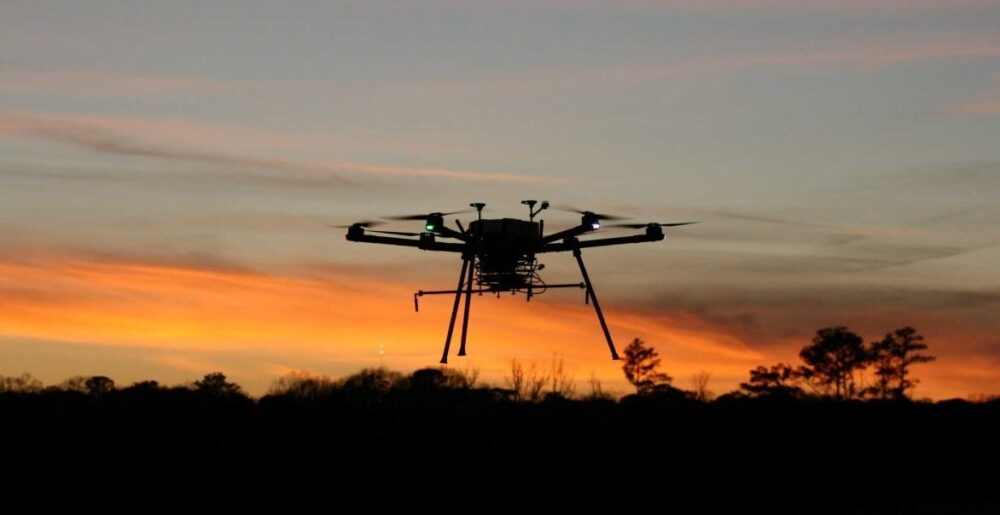
The AERPAW drone platform in North Carolina is available for spectrum research and can be paired with additional researcher funding for experimentation on the PAWR platforms. The National Science Foundation currently offers grant funding for experimental research conducted on any of the generally available NSF-funded PAWR testbeds. Typical grants average around $50,000, but may run higher. The final proposal deadline for the funding program is March 15.
At AERPAW, researchers may consider spectrum studies in the 5030-5091 MHz band, which the federal government is exploring for use in drone-based communications.

Research Opportunity – Spectrum studies to inform drone-based wireless communications
The FCC is actively exploring use of the 5030-5091 MHz band for the operation of unmanned aircraft systems (UAS), or drones. In particular, the Commission wants to determine if its current rules for the frequency band are sufficient to ensure coexistence of UAS and terrestrial mobile operations. Is there significant mobile traffic already present in the band? Are there reasons to be concerned about spectrum interference? What mitigation strategies might be necessary to avoid interference?
To understand the operating environment in this band, it is critical to collect data on spectrum occupancy through channel measurement campaigns with both mobile terrestrial sensors and UAS. Only with public, independently sourced datasets can federal agencies like the FCC create informed rulings on spectrum use.
Action: Terrestrial and aerial spectrum measurement studies in the 5030-5091 MHz band including air-to-air, air-to-ground, and ground-to-ground links. Release of published data for community review in SigMF format.
Suggested PAWR resources:
Lake Wheeler site at AERPAW for drone experiments